Dissolved Air Flotation (DAF)
Dissolved Air Flotation (DAF) is a physio-chemical process of solid and liquid separation. This technology was developed by Krofta. It is often used in the pre-treatment or primary stage of a waste water treatment plant to initiate suspended solids removal in the system. Krofta has also achieved success with using our DAF as a secondary clarifier to reduce properties such as colour and turbidity.
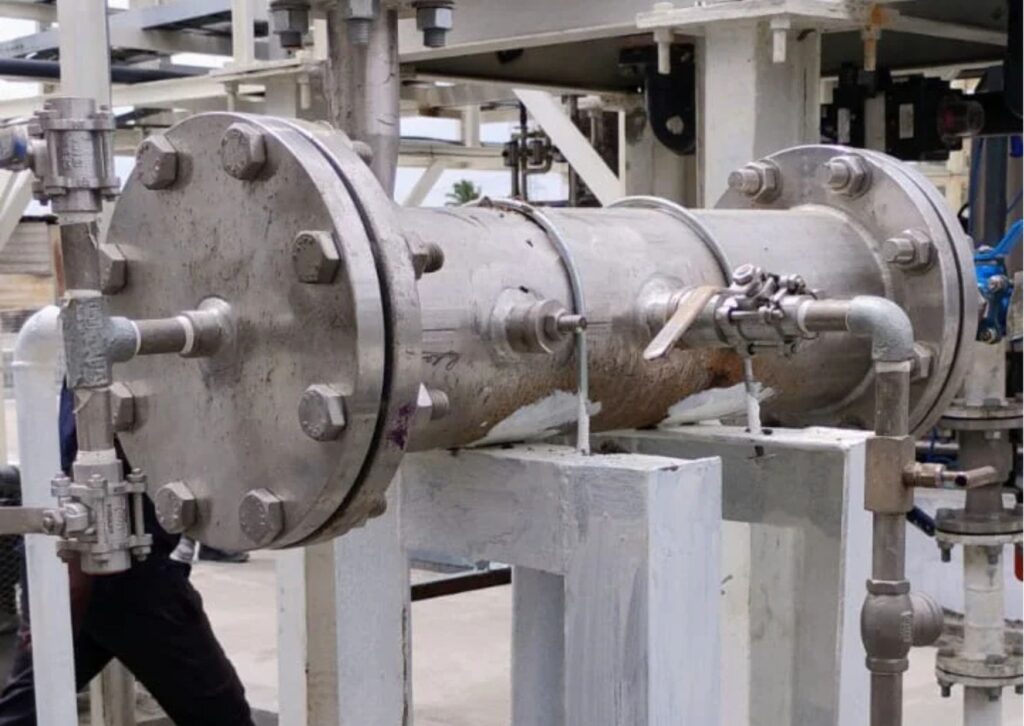
The system involves the Krofta DAF main tank, Krofta Air Dissolving Tube (ADT), chemical dosing system, recirculation pump and an air compressor. Our DAFs can be constructed in fully metallic structures with any type of coating to meet client requirements. Further, we recommend civil tanks with metallic internal parts for very high flow rates.
The application of Dissolved Air Flotation is to separate solids from liquid, such as suspended solids, oils, fats and grease with the help of micro bubbles. These bubbles formed in the Krofta ADT attach themselves to light weight solid particles and rise to the surface of the DAF main tank. These solid particles then form a top layer of scum which are either scrapped by blades and removed from the top by a paddle wheel, in the case of our rectangular DAFs, or scooped out and removed by our scoop in the case of our circular DAFs.
The heavier Solid particles settle at the bottom of the main DAF tank and are periodically removed with the help of timer activated purge valves. The treated water passes through the middle and passes out from the outlet nozzle.
Krofta DAF systems are designed to handle high total suspended solids (TSS) and Fats Oils and Grease (FOG) loading. We can treat a range of water flow rates starting as low as 5 m3/hr going up to over 1000 m3/hr with a single DAF unit. This is also done with the help of flocculants and coagulants which are to be dosed as per the rate and quantity mentioned by our engineers for optimal results. We additionally also offer completely automated chemical dosing systems with agitators. Additionally, Krofta DAF’s do not need pipe flocculators since we use inline dosing methods, however if the client specifically requires it, we do design and manufacture them as well.
The heart of our system is the Krofta ADT which is used to saturate air into the recycled treated water. At atmospheric pressure, this creates millions of micro bubbles in the size range of 30-50 micron.
The benefits of using our
flotation unit with our ADT are:
Rapid Air Saturation
The entire process of air saturation takes only approximately 12 seconds for swift operational response.
Compact Footprint & O&M
Krofta ADT design features a minimal physical footprint combined with easy operations and maintenance.
High Removal Efficiency
Consistently generated micro bubbles yield an exceptionally high level of overall solids removal efficiency.
High TSS Tolerance
Unlike standard systems that choke at TSS > 2000 mg/L, Krofta DAF systems perform reliably at much higher TSS levels.
How Krofta DAF Works
Coagulation
Chemical addition destabilizes colloidal particles and neutralizes charges in raw water.
Flocculation
Gentle agitation allows destabilized particles to aggregate into larger, visible flocs.
Air Saturation via ADT
Air is dissolved under high pressure within the Air Dissolving Tube in just 12 seconds.
Microbubble Generation
Pressure release generates dense, ultra-fine microbubbles measuring 30–50 μm.
Bubble-Particle Attachment
Microbubbles adhere securely to suspended flocs, reducing their effective density.
Flotation & Separation
Buoyant bubble-floc clusters rapidly float up to form a concentrated surface sludge blanket.
Sludge Skimming & Removal
Mechanical skimmers sweep the floated sludge off the top for continuous disposal.
Clarified Water Collection
Purified water is continuously drawn from the bottom basin for reuse or discharge.
ADT Technology
Krofta’s Air Dissolving Tube (ADT) produces extremely fine microbubbles (20–50 μm) that efficiently attach to suspended solids, oil droplets, grease, algae, and fibers, ensuring superior flotation performance.
Typical Removal Performance
| Parameter | Removal Efficiency |
|---|---|
| TSS | Up to 95% |
| Free Oil | Up to 95% |
| Emulsified Oil | Up to 95% |
| Suspended COD | Up to 80% |
| Suspended BOD | Up to 80% |
| Fiber Recovery | Up to 98% |
One Technology. Five Proven Solutions.
| Model | Type | Capacity |
|---|---|---|
| Minicell | Compact Circular DAF | Up to 712 m³/hr |
| Supercell | High-Rate Circular DAF | Up to 2692 m³/hr |
| Sedicell | Flotation + Sedimentation DAF | Up to 4000 m³/hr |
| Megacell | Horizontal Lamella DAF | Up to 2000 m³/hr |
| Unicell | High HLR Rectangular DAF | Up to 700 m³/hr |
| Unicell-R | High HLR Rectangular DAF | Up to 6000 m³/hr |
We offer 5 different DAF models, selection of which is based on the inlet parameters and application after being studied by our technical experts
High performance
Personalized strategies
Powered by Innovation
Transforming Industry
Industry Developments Work
Industry classification is valuable for economic analysis because it leads largely distinct category simple relationships classifications, economists are able to compare companies within the same industry to evaluate. Though associated with specific products, processes.
Frequently asked questions
Industry classification is valuable for economic analysis because it leads largely distinct category simple relationships classifications, economists are able to compare companies within the same industry to evaluate. Though associated with specific products, processes.
1 . How can I keep up to date with what the Society of Maritime Industries is doing?
You can also org for specific enquiries. and ask to be added to our mailing list which informs you of events, seminars, networking opportunities and exhibitions we are organizing.
2 . How can I get in touch with the Society of Maritime Industries?
You can also org for specific enquiries. and ask to be added to our mailing list which informs you of events, seminars, networking opportunities and exhibitions we are organizing.
3 . How can my organization apply to become members?
4 . I am looking for a job in the industry. Can you help?
Rectangular
Unicell
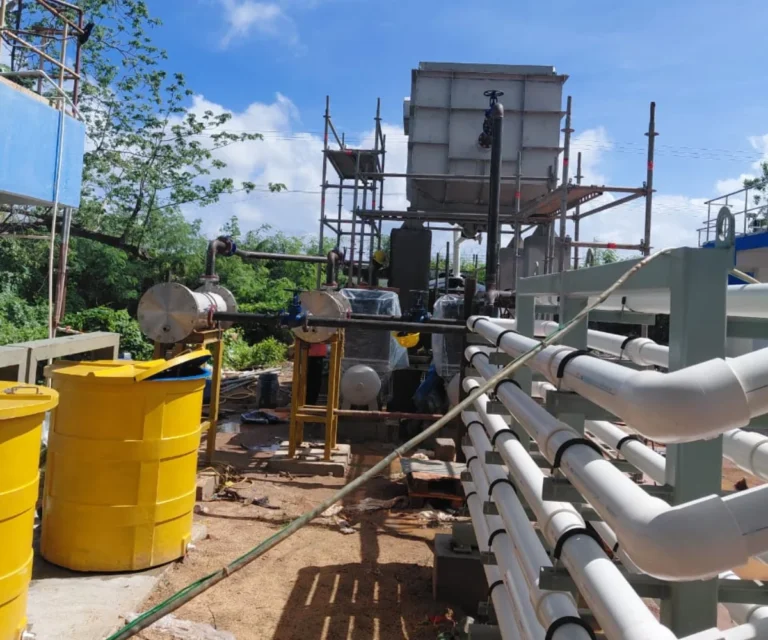
Unicell is a horizontal DAF with strong mechanical components to provide efficient sludge removal and clarification of heavy and fatty effluents. It is designed to accommodate lower flow rates with high efficiency.
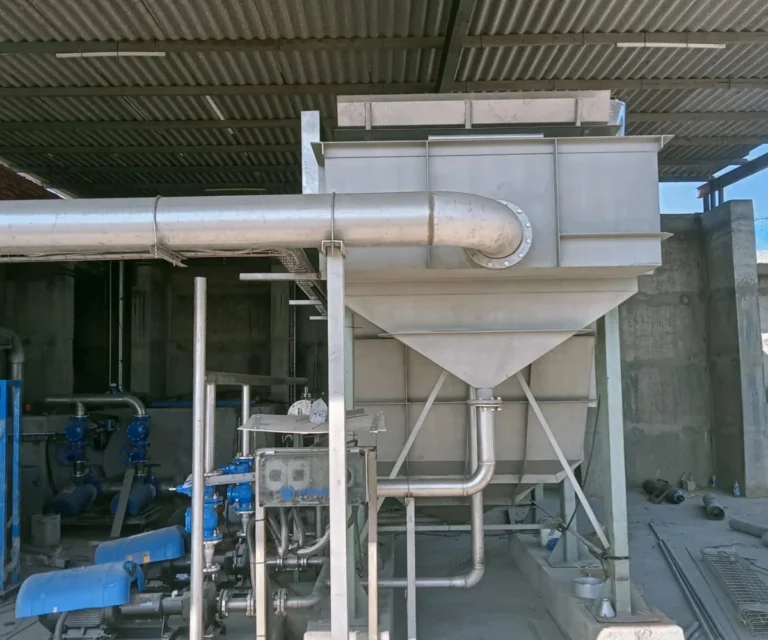
Megacell – Krofta DAF unit with Lamella Plates
The Megacell is our rectangular DAF with lamella plates inside. It is designed to handle high solids loading and high flow rates and offers increased surface area due to the presence of the lamella plates.
Circular
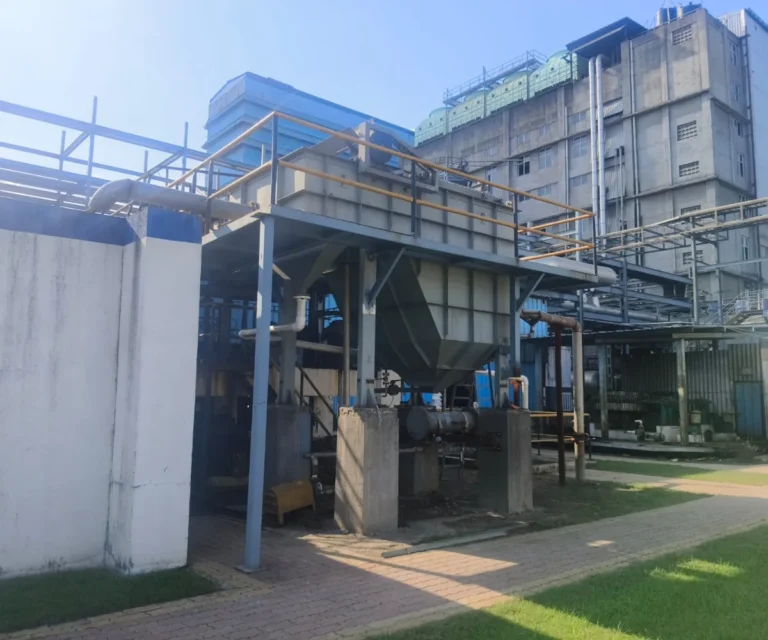
Minicell
The minicell is the operationally simplest circular DAF model. It was developed especially for effluent having difficult and fragile solids and oil.
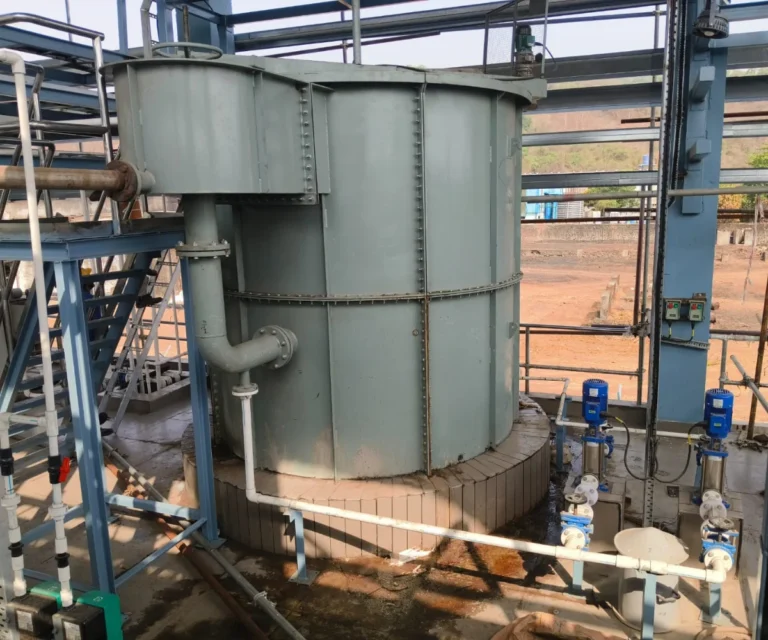
Sedicell
The Sedicell is a mechanically simple, yet robust circular DAF. It can be constructed in a civil tank for longevity and high flow rates.
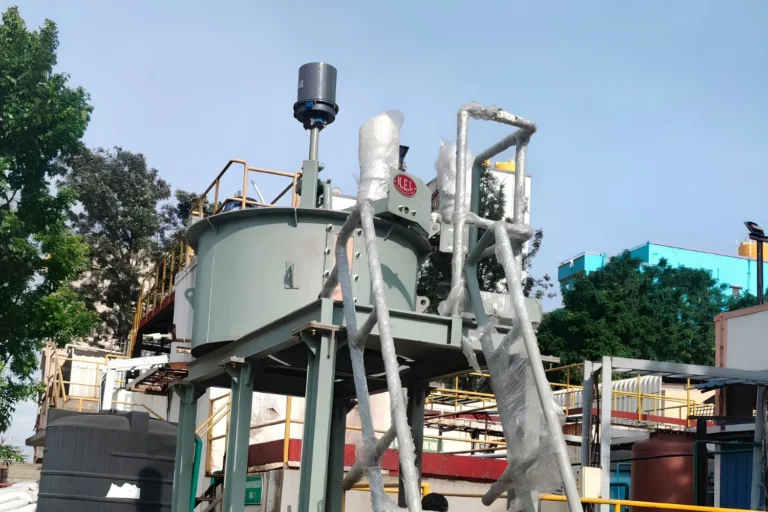
Supercell
The supercell is Kroftas original and flagship DAF model. It has a smaller surface area for its capacity because it attains a very specific clarification degree.